
Healthy Living
Top Foods Good for Your Heart
No single food can prevent heart disease, but some ingredients make it easier to care for your heart every day. Kale, peppers, pumpkin, avocado and blueberries are all rich in nutrients that can support healthy blood pressure, cholesterol levels and blood vessels when they are part of an overall heart-healthy eating pattern.
Kale: Leafy Green for Blood Pressure Support
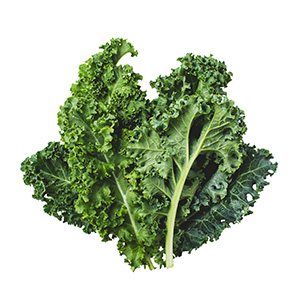
Kale is a dark leafy green packed with potassium, fiber and antioxidants. Medical News Today notes that potassium can help counter the effects of sodium and lower the risk of high blood pressure and cardiovascular disease. One cup of cooked kale provides nearly 500 milligrams of potassium, along with fiber that supports healthy cholesterol levels.
Quick ways to enjoy kale:
- Add chopped kale to soups, stews or bean dishes.
- Massage kale with olive oil and lemon for a simple salad.
- Stir a handful of kale into omelets or whole-grain pasta.
Peppers: Colorful Crunch with Antioxidants
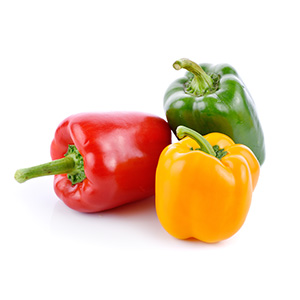
Bell peppers are low in calories and high in vitamins A and C, plus a range of antioxidants. Bell peppers contain antioxidants linked with a lower risk of cardiovascular disease. Spicier peppers also contain capsaicinoids, compounds that may help people eat less salt, improve cholesterol values and support blood vessel function — all helpful for heart health.
Ideas to use peppers:
- Slice raw peppers for snacks with hummus or yogurt dip.
- Roast peppers and add them to salads, grain bowls or sandwiches.
- Include peppers in stir-fries, fajitas or egg dishes for extra color and crunch.
Pumpkin: Fiber, Potassium and Heart Protection
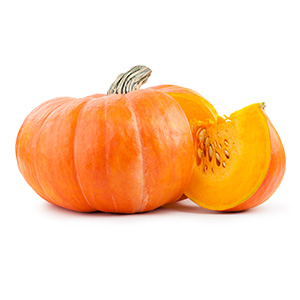
Pumpkin is naturally low in fat and calories but rich in beta carotene, fiber and potassium. Pumpkin’s vitamin A and antioxidants may help protect against heart disease, while its potassium supports normal blood pressure by helping regulate body fluids and muscle contractions. The fiber in pumpkin also supports healthy cholesterol levels.
Simple ways to add pumpkin:
- Stir plain pumpkin puree into oatmeal, yogurt or smoothies.
- Use pumpkin puree in soups or sauces instead of cream.
- Roast cubes of fresh pumpkin with herbs as a side dish.
Avocado: Heart-Healthy Fats
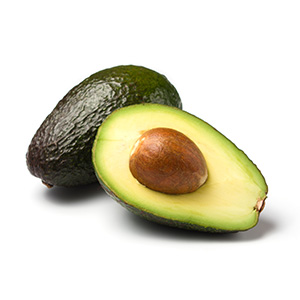
Avocados provide mostly monounsaturated fat, the same type found in olive oil. Avocados can be a heart-healthy source of fat because they are rich in monounsaturated fats, low in saturated fat and contain fiber and potassium. Replacing foods high in saturated fat with avocados can help lower LDL (“bad”) cholesterol and support a heart-healthy eating pattern.
Avocado ideas for your plate:
- Spread mashed avocado on whole-grain toast instead of butter.
- Add sliced avocado to salads, tacos or grain bowls.
- Blend avocado into smoothies for creaminess without cream.
Blueberries: Little Berries with Big Vascular Benefits
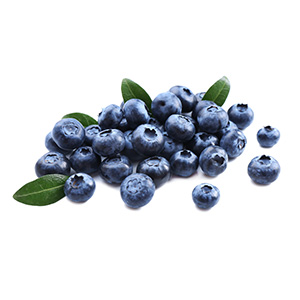
Blueberries are rich in polyphenols, especially anthocyanins, the pigments that give them their deep blue color. Blueberry intake has been linked with improvements in several cardiovascular risk factors, including blood pressure, cholesterol, arterial stiffness and markers of inflammation. These may help protect blood vessels and lower overall cardiovascular risk over time.
Easy ways to enjoy blueberries:
- Sprinkle fresh or frozen blueberries on cereal, yogurt or oatmeal.
- Blend blueberries into smoothies with leafy greens and yogurt.
- Keep a bag of frozen blueberries on hand for quick desserts or snacks.