
Healthy Living
Don’t Stress Your Heart Out
Chronic stress can affect both heart health and mental well-being. Learning how to manage stress may help protect your overall health.
How Stress Affects Us
According to the U.S. Department of Health and Human Services, long-term activation of your body’s stress response system, along with prolonged exposure to cortisol and other stress hormones, can put you at risk for:
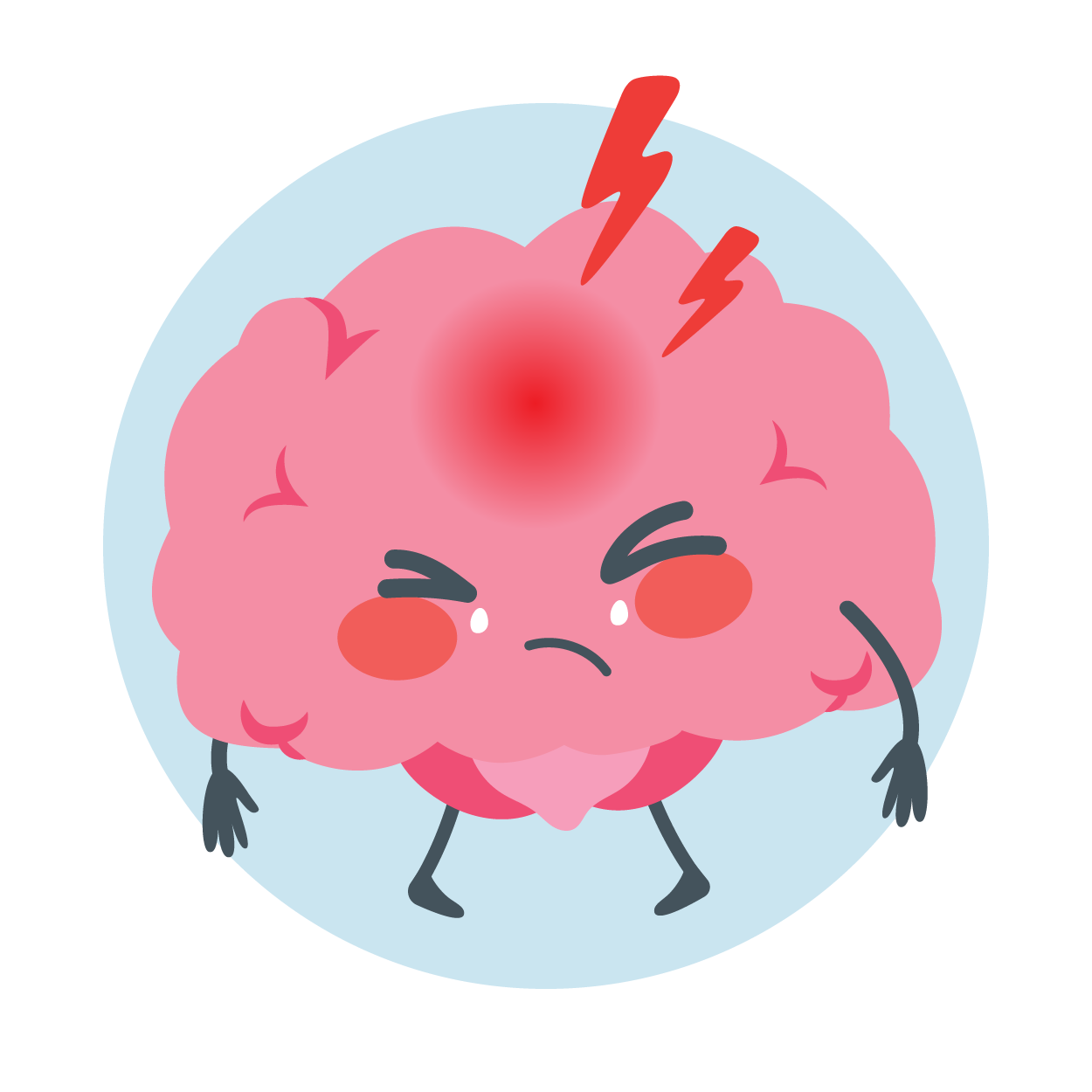
- Headaches and migraines
- Depression
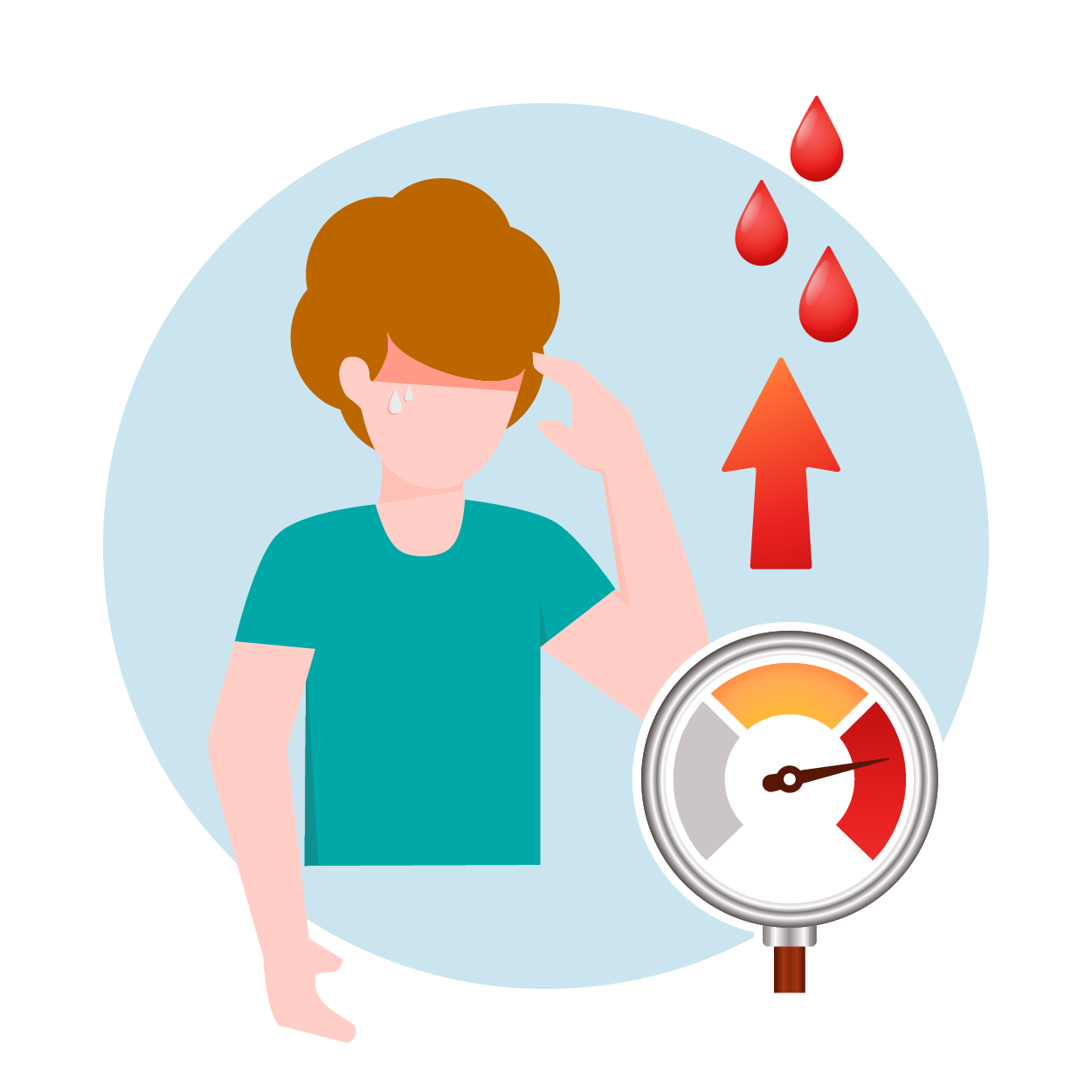
- Heart disease and high blood pressure
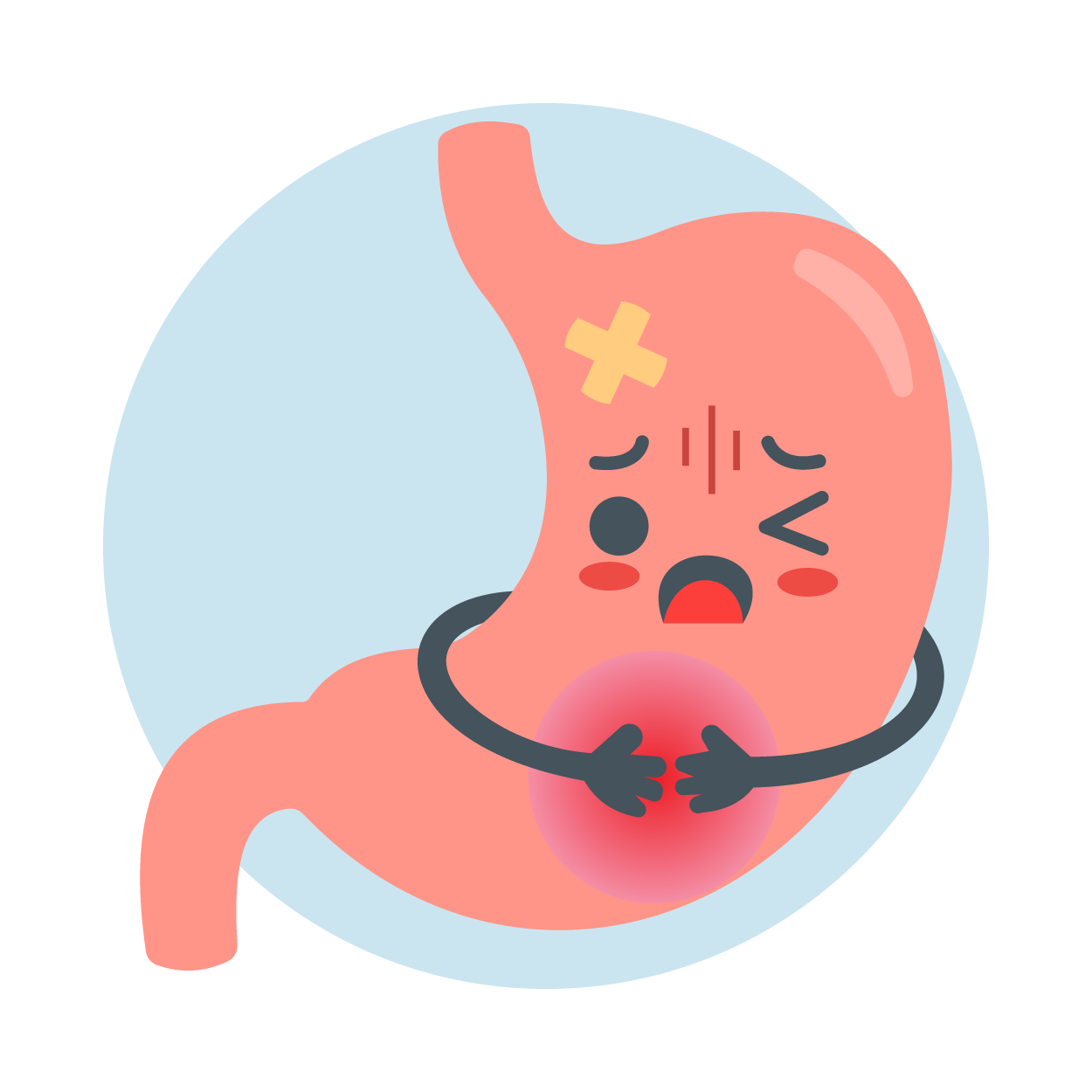
- Stomach issues such as diarrhea, vomiting or irritable bowel syndrome (IBS)
During stress, as part of the fight or flight response, the body responds with elevated blood pressure in order to increase and redistribute energy and also activates the immune system. However, prolonged stress over time forces the heart to work harder, which can lead to hypertrophy and adversely suppress immunity, digestion, sleep and reproductive systems.
Sudden emotional stress, such as the death of a child, has also been linked to an unusual type of heart attack called “takotsubo cardiomyopathy,” where the heart takes on a different shape. The two primary triggers of this condition are physical ones (such as an infection) or an emotional type of “shock.” Because of the latter cause, many have labeled takotsubo cardiomyopathy “broken heart syndrome.”
A recent study presented at the American Heart Association’s Scientific Sessions conference found that stress from traumatic events as well as long-term stress at home and work led to a nearly 200% higher risk of new Type 2 diabetes cases in older women. Diabetes, a disease in which the body doesn’t regulate blood sugar properly, can lead to a host of health problems, including heart disease, stroke and kidney disease.
How Stress Affects Your Body
Stress activates the body’s fight-or-flight response, which can cause:
Faster heart rate |
Higher blood pressure |
Rapid breathing |
Increased blood sugar |
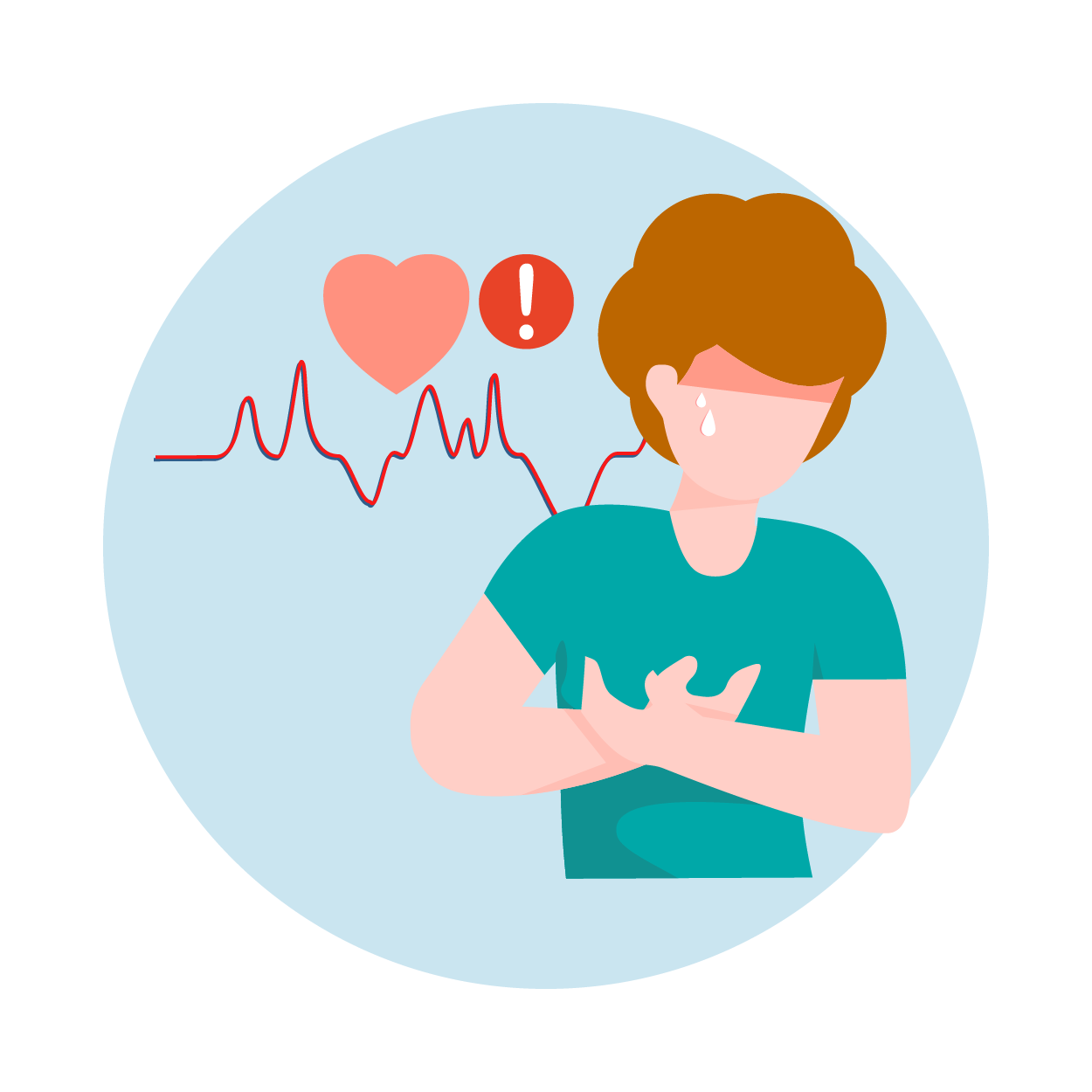
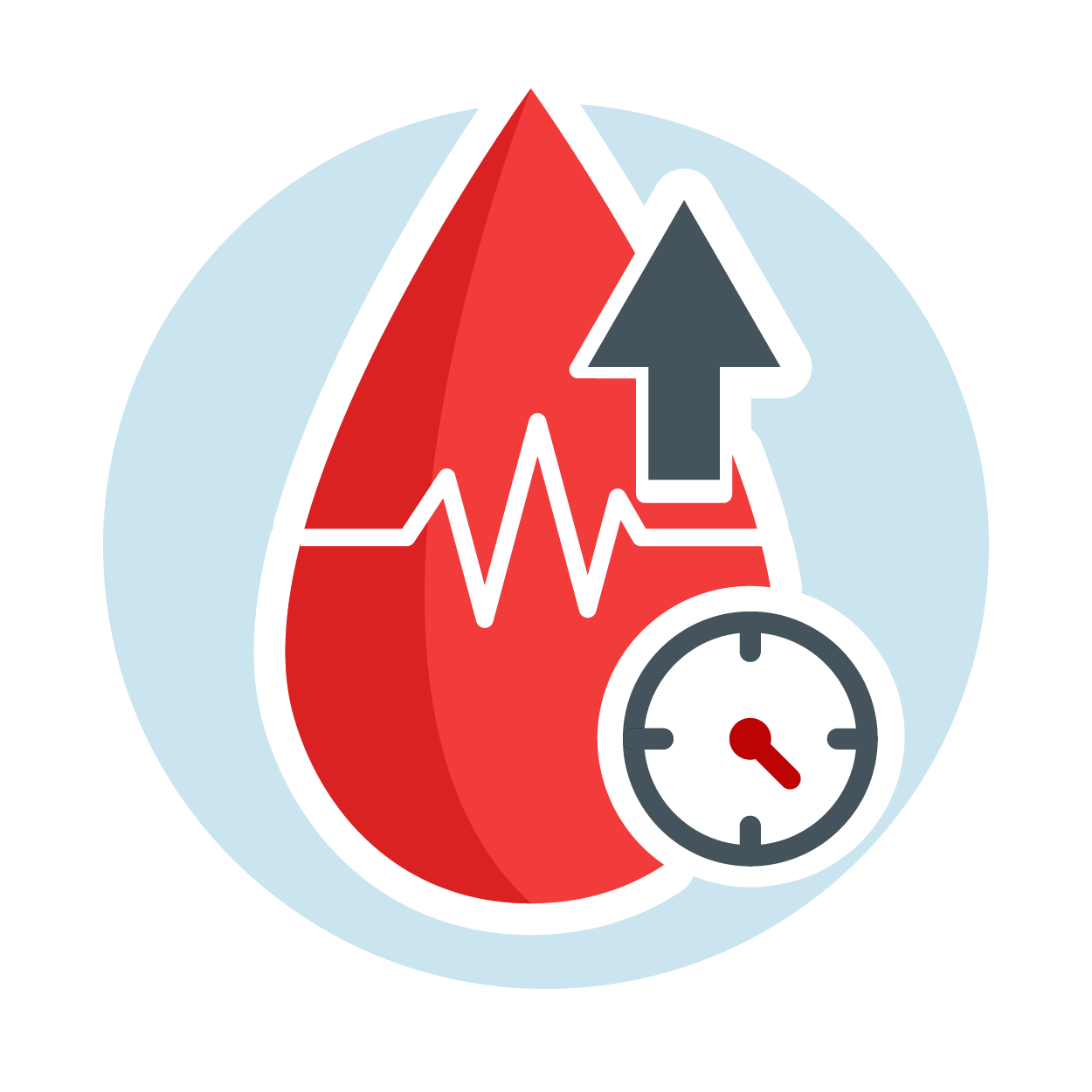
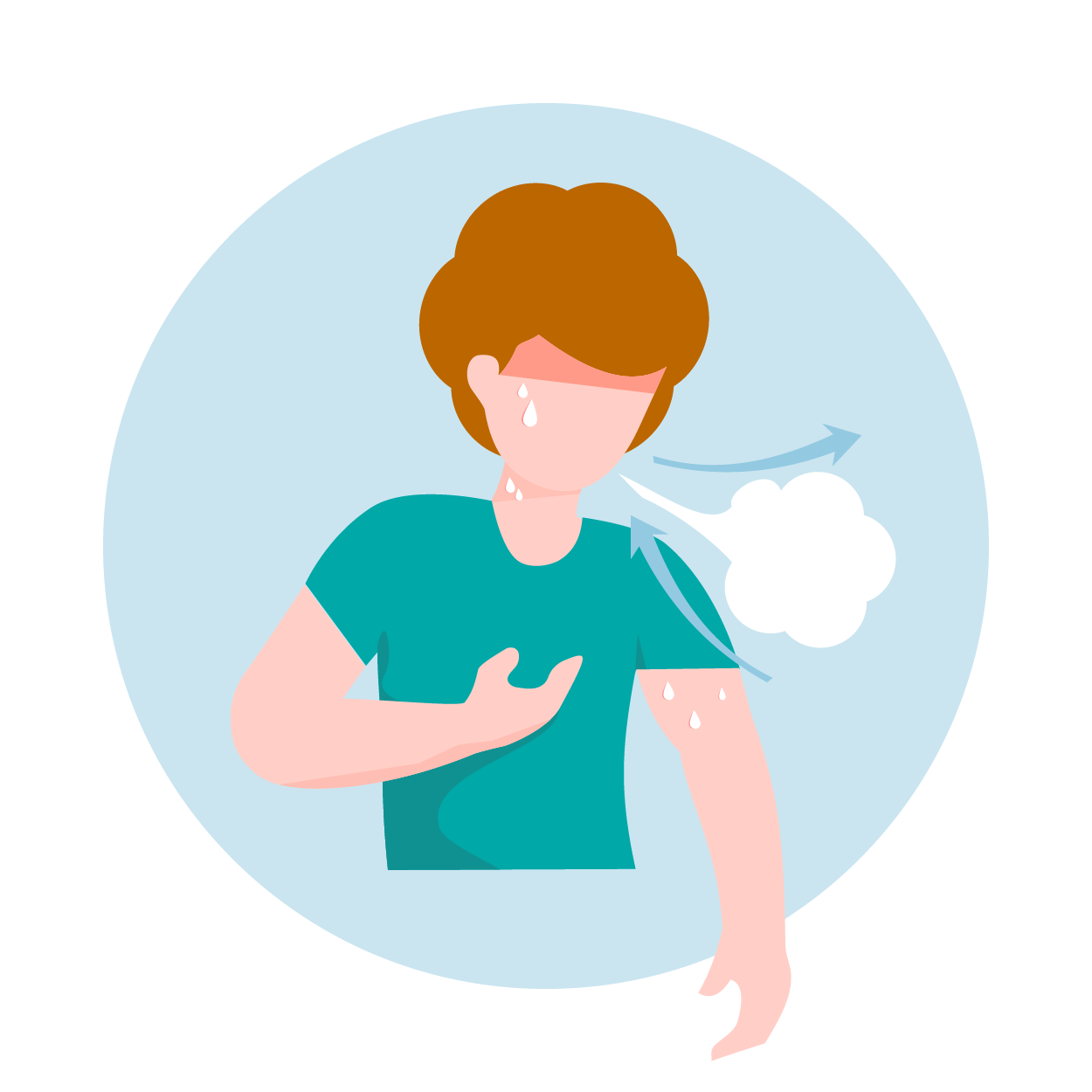
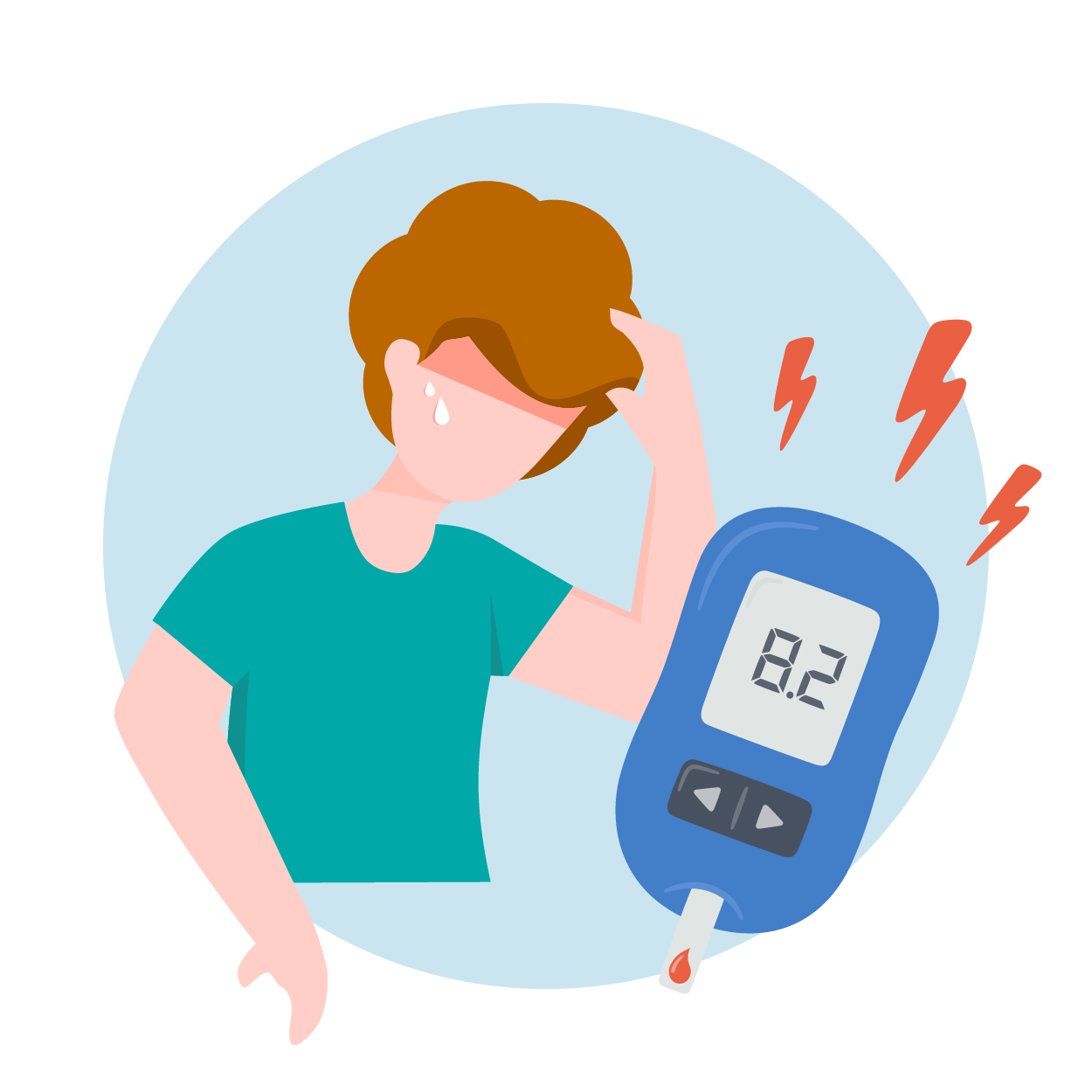
Over time, repeated stress may place extra strain on the heart and body.
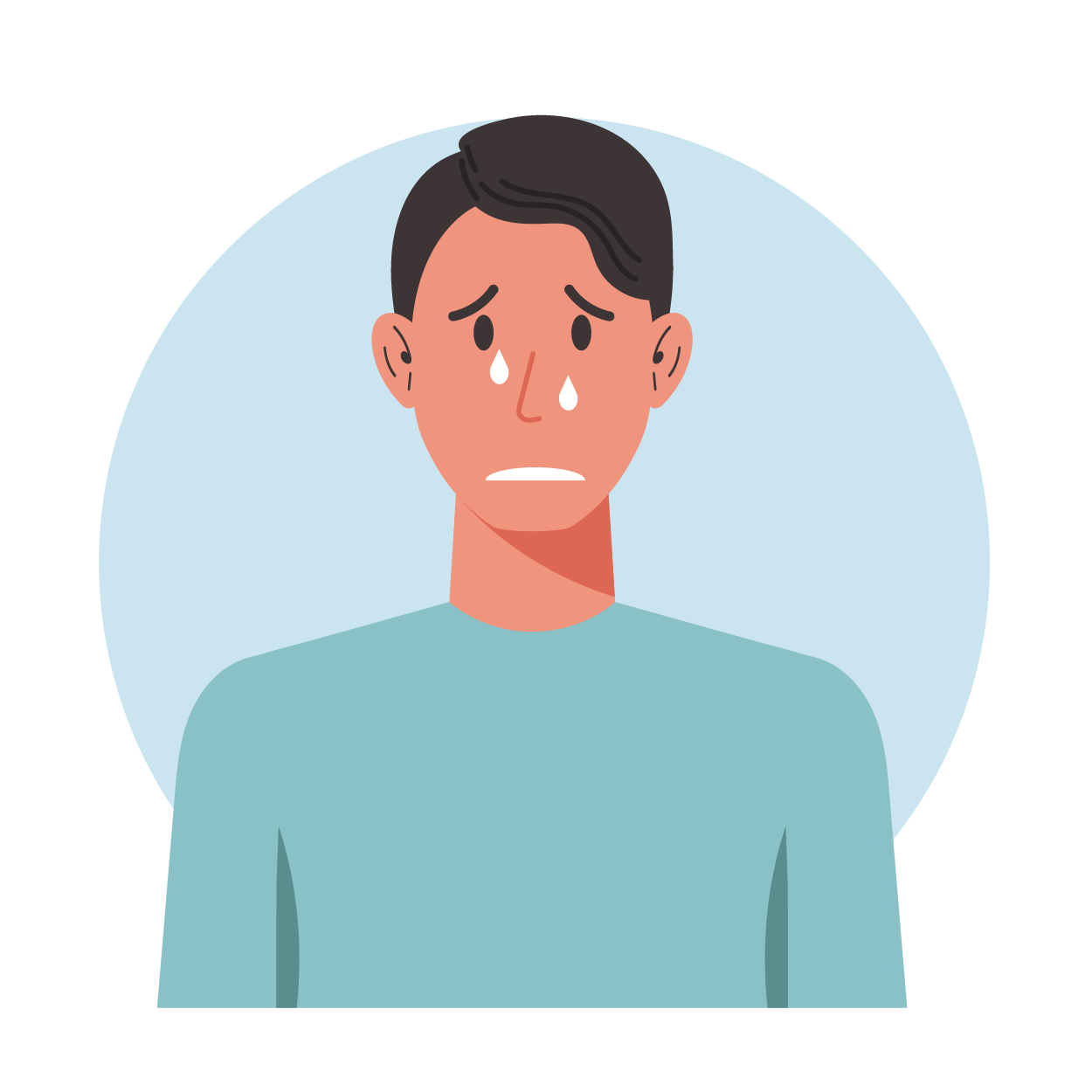
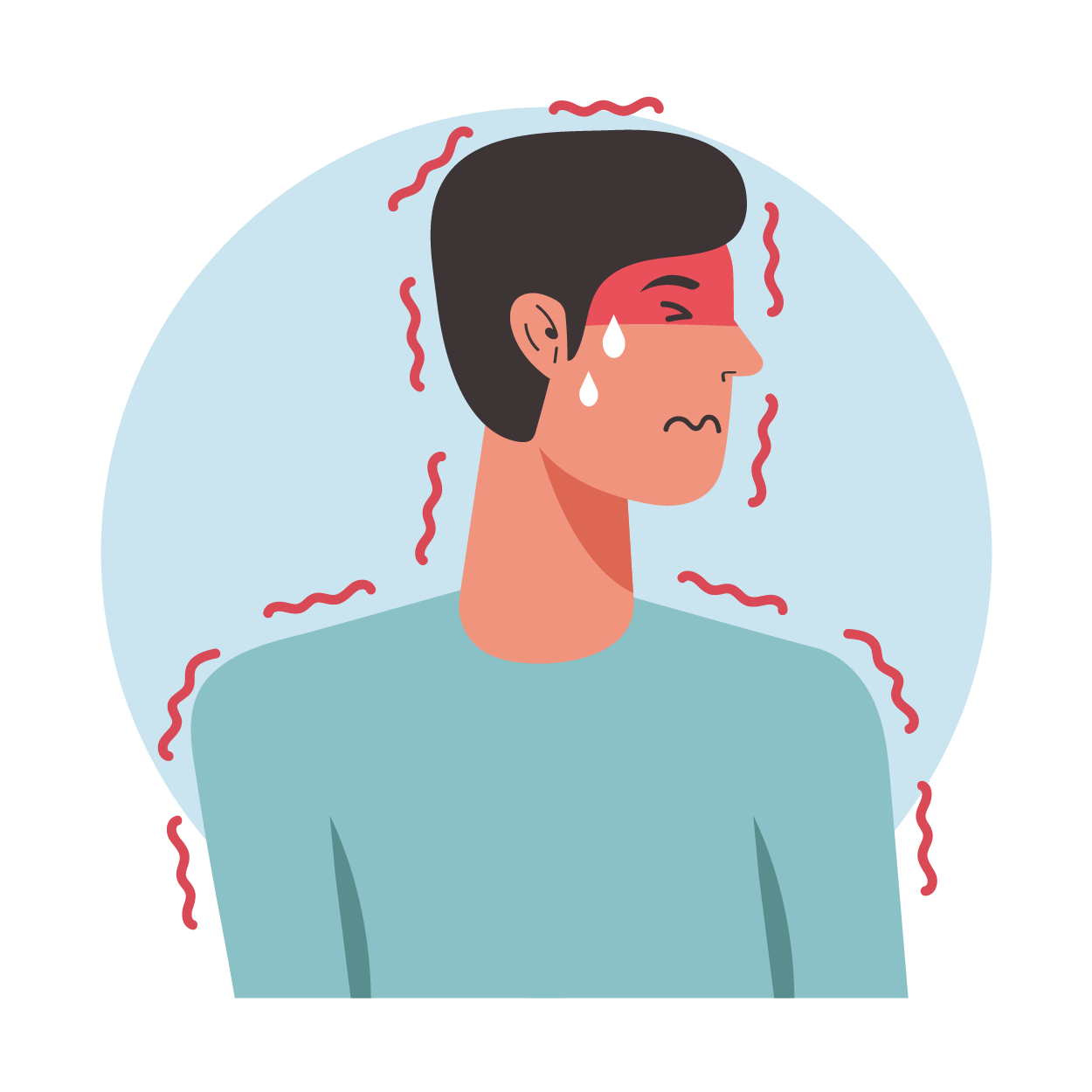
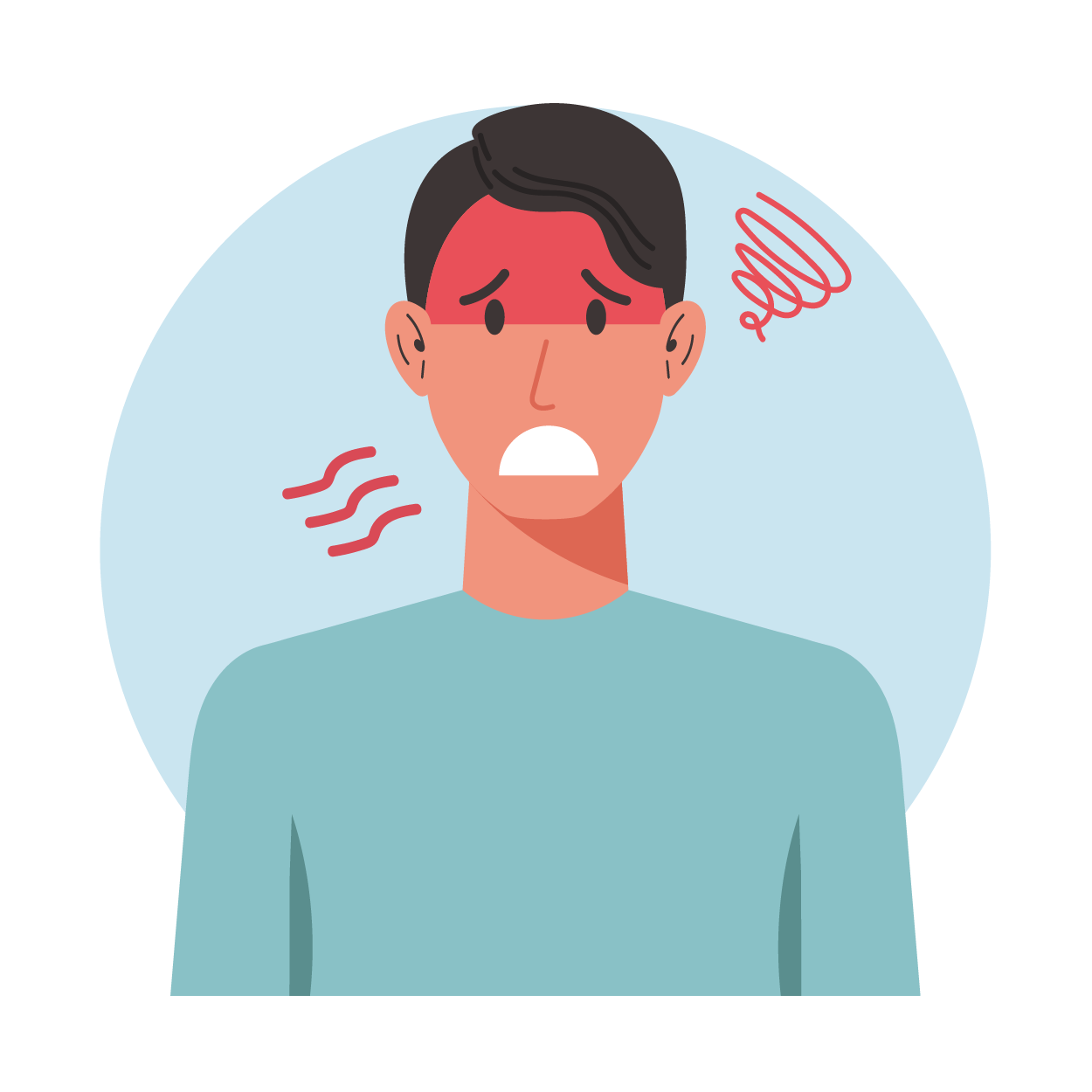
Know the Signs of Stress
Stress can affect both the mind and body.
Emotional
|
Physical
|
Behavioral
|
How Ongoing Stress Can Affect Your Health
Ongoing stress may contribute to:
Heart disease |
High blood pressure |
Digestive problems |
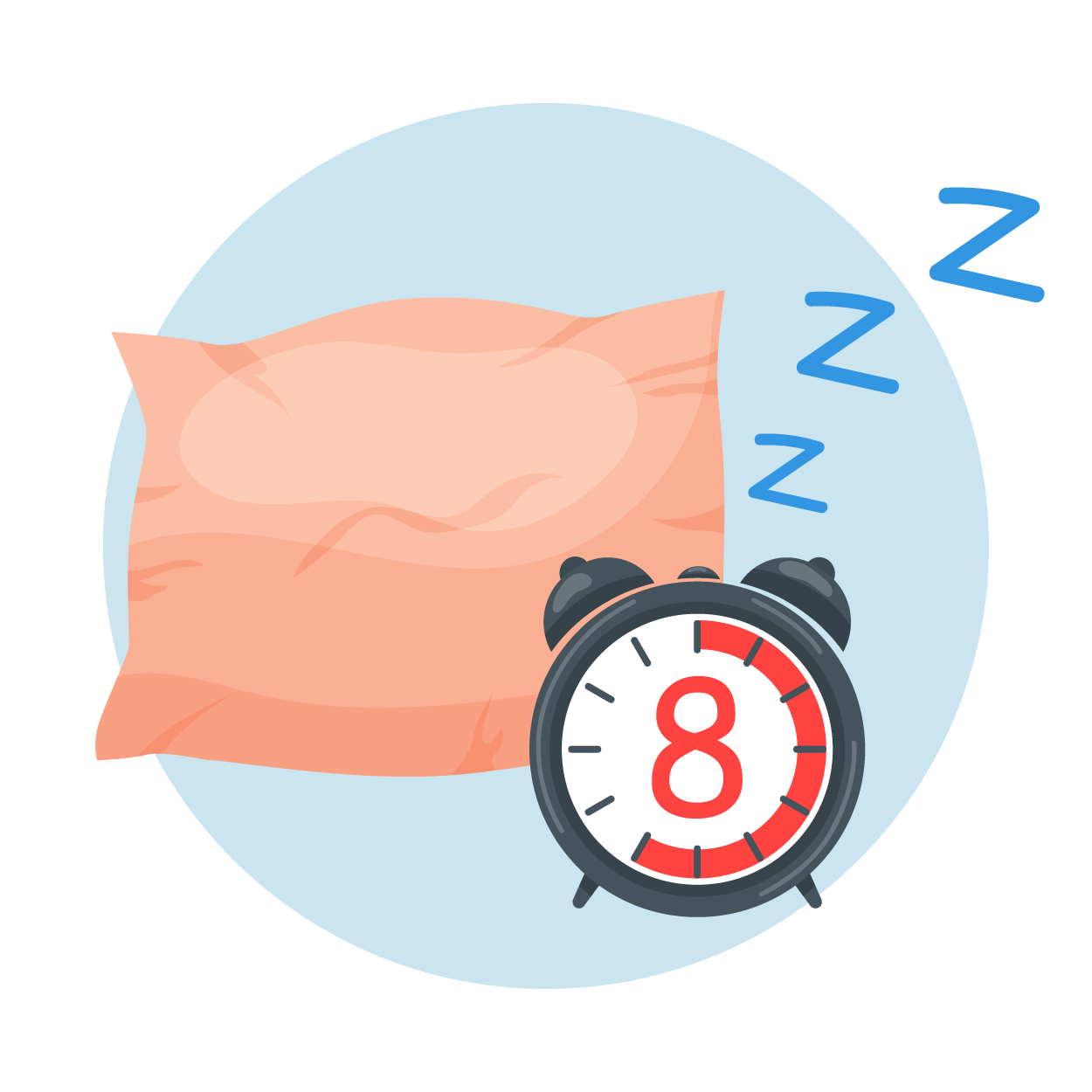
Sleep difficulties |
Headaches or migraines |
Anxiety or depression |
Healthy Ways to Manage Stress
Things You Can Try on Your Own
Move your body regularly |
Get enough sleep |
Eat balanced meals |
Take breaks to recharge |

When Extra Support May Help
Talk with trusted friends or family |
Share concerns instead of keeping them inside |
Consider speaking with a counselor or mental health professional |



You’re Not Alone
Taking control of stress will help both mentally and physically, so don’t let it get the best of you and don’t be afraid to ask for help. It’s a sign of strength and perseverance, similar to an athlete who gets coaching to improve his or her game.
Sources:
The American Institute of Stress